Travel news, as it crosses the wire
Verified media releases from KITI member organizations, plus a live feed of wire content distributed via PR Newswire. Members get the full Newsroom — posting tools, PR story angles, and media kits.
KITI Releases
Verified · newest first
CONDÉ NAST TRAVELER ANNOUNCES THE 2026 READERS’ CHOICE AWARDS FAIRMONT LE CHÂTEAU FRONTENAC RANKS SECOND AMONG THE TOP HOTELS IN EASTERN CANADA
Fairmont Le Château Frontenac ranks second among the 20 best hotels in Eastern Canada in Condé Nast Traveler’s 2026 Readers’ Choice Awards,
OSMOW'S™ MEDITERRANEAN OPENS IN CLEVELAND'S UNIVERSITY CIRCLE NOW OPEN
Human-authoredThe rumblings in Cleveland are confirmed true, and tummies throughout The Land are about to be deeply satisfied. Starting October 8, Osmow's
Raw, unverified third-party press releases via PR Newswire. Not curated, edited, or verified by KITI.

Yeongju Octopus 1955: Experiencing Korea's Flavors and Everyday Life
Yeongju Octopus 1955, a Korean commercial district known for its 70-year food tradition and rich cultural heritage, is drawing growing attention from Japanese tourists.
YEONGJU, South Korea, Nov. 4, 2026 /PRNewswire/ -- Like Kyoto's Nishiki Market, which preserves its long history and local food culture, Yeongju Octopus 1955 in South Korea is a vibrant commercial district where regional cuisine and local traditions come together. Visitors can experience its distinctive octopus culinary heritage while exploring traditional markets and UNESCO World Heritage sites. For Japanese tourists, the city combines the familiar pleasures of exploring local markets with the distinctive charm and cultural experiences of a Korean destination.
The district has been selected for the Glocal Commercial District Project, led by the Ministry of SMEs and Startups of Korea and the Korea Federation of Micro Enterprises and Traditional Markets (SEMAS). Glocal districts add global appeal to local character, allowing merchants and local brands to showcase everyday Korean life together.
More than 2.7 million Japanese tourists have visited Korea in 2026, and visits to Glocal districts are rising as well. In this year's data on foreign foot traffic, Japanese visitors ranked first among six major source countries at Yeongju Octopus 1955. Yeongju stood out in particular for the strength of Japanese visitation and for its long-blended food and culture.
Yeongju's octopus culinary culture has developed a distinctive history, closely intertwined with the city's geographical characteristics as an inland city. After the Yeongdong Line opened in 1955, wild octopus from the East Sea arrived by rail. Over roughly 70 years, it became a local specialty woven into ancestral rites, weddings, and celebrations.
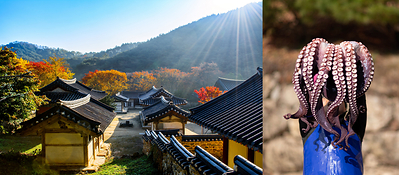
Yeongju offers the natural scenery and specialty products, as well as the World Heritage sites of Buseoksa Temple and Sosu Seowon, Korean seonbi(Confucian scholar) culture.
The Glocal project aims to link these cultural and tourism resources into a travel experience. It is creating a tourist route from Yeongju Station through the traditional market and commercial district to heritage sites and attractions, also expanding extended-stay travel by developing food offerings, experience programs, and by strengthening ties with lodging and transportation.
In particular, the "Yeongju Octopus 1955 Festa" is scheduled to take place from November 6 to 8, offering visitors an opportunity to experience the unique charm of the local commercial district firsthand.
SEMAS is a Korean public institution supporting small businesses, traditional markets and local commercial districts through various programs.
 View original content to download multimedia:https://www.prnewswire.com/apac/news-releases/yeongju-octopus-1955-experiencing-koreas-flavors-and-everyday-life-302927497.html
SOURCE SEMAS

Back | Next story: Xinhua Silk Road: Multiple achievements unveiled at 11th Global Mazu Culture Forum